
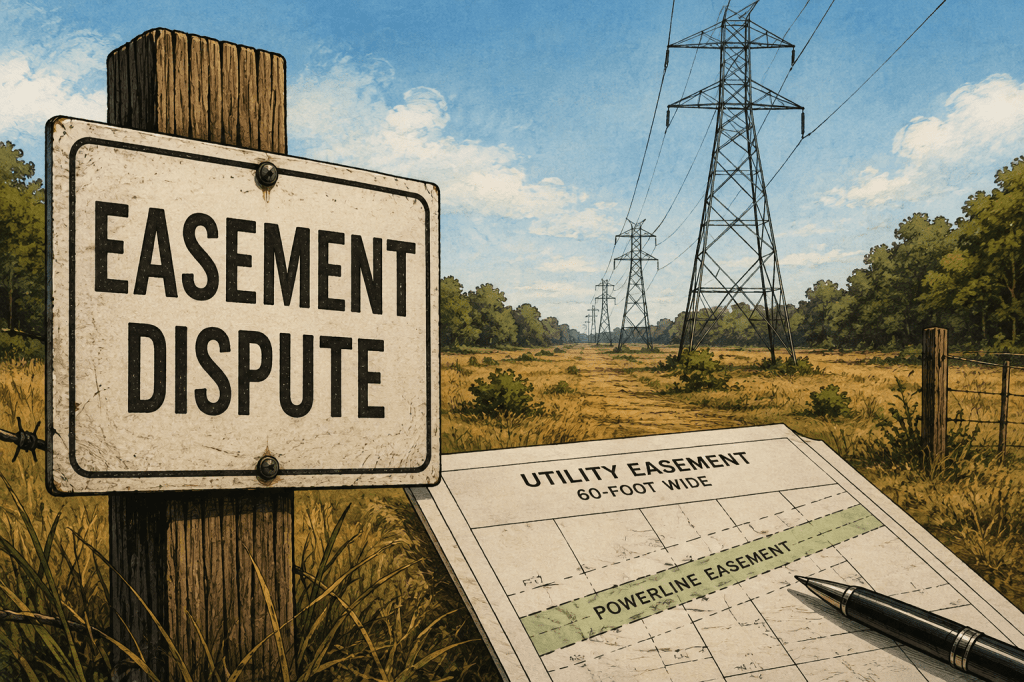
An attorney representing a Brazos County landowner says the City of Bryan has spent nearly $400,000 in legal fees fighting a utility easement dispute that could now expand into federal civil rights litigation.
Ty Clevenger, who represents landowner Curtis Capps, sent a series of letters Monday to the Bryan mayor and City Council, the Bryan Texas Utilities Board of Directors, the city’s outside counsel and opposing attorneys, notifying them that he is evaluating potential federal civil rights, racketeering, fraud and conspiracy claims stemming from the long-running dispute over compensation for a BTU powerline easement.
In an email accompanying the letters, Clevenger said the city has paid “almost $400,000 in attorney fees” litigating a BTU right-of-way dispute that he contends is worth substantially less than that amount. He described the matter as “very political” and said it has “turned personal.”
The letters do not file a lawsuit. Instead, they provide notice of potential claims, ask recipients to preserve documents and electronic records, and invite responses before any litigation is filed. Clevenger asked for responses by Aug. 17, saying he would rather learn now if his legal theories are mistaken than pursue meritless claims.
At the center of the dispute is Capps’ allegation that Bryan Texas Utilities refused to compensate him for a powerline easement while negotiating settlements or paying other landowners along the same transmission line through voluntary agreements or condemnation proceedings.
Clevenger argues that differing treatment could support a federal “class of one” equal protection claim under the U.S. Constitution. He also contends the city’s continued refusal to compensate Capps after being placed on notice could expose it to liability if policymakers knowingly ratify unconstitutional conduct.
The letters also focus heavily on a May 13 filing in the underlying property lawsuit that added more than 70 third-party defendants and asserted ownership claims involving multiple tracts.
Clevenger alleges the pleading improperly named several decedents’ estates that he says lack legal capacity to sue under Texas law and included at least one individual who had died before the litigation began. He also questions whether many of the individuals listed in the filing authorized claims to be asserted in their names.
Separate letters to attorneys Jay Goss and Karl Hoppess state that Clevenger is evaluating potential claims under the federal Racketeer Influenced and Corrupt Organizations Act, as well as common-law fraud and civil conspiracy. Those letters argue that filings made on behalf of deceased individuals, nonexistent estates or unauthorized parties could give rise to liability if the allegations are ultimately proven.
Another letter sent to attorney Wayne Rife questions whether Bryan Texas Utilities and the City of Bryan received independent legal representation after one attorney involved in the litigation allegedly held a financial interest in property connected to the dispute. Clevenger asks whether conflict disclosures, waivers or screening procedures were implemented and whether city officials independently evaluated litigation strategy.
Throughout the correspondence, however, Clevenger repeatedly acknowledges limitations in his own analysis. He states that he does not currently possess evidence of an agreement necessary to support a federal conspiracy claim, outlines several legal defenses he expects the city and opposing counsel to raise, and emphasizes that he is seeking information that could dissuade him from filing suit.
Each letter includes a litigation hold request directing recipients to preserve emails, text messages, billing records, engagement agreements, communications and other potentially relevant records.
No federal lawsuit has been filed, and no court has ruled on the allegations described in the letters. The claims remain allegations by Capps’ attorney.

