
In a tragic turn of events, what began as a minor complaint about property damage ended with Barry Yearout being fatally shot in his own home by Princeton police officers. The incident, which took place in April 2022, has sparked outrage and legal action, shedding light on significant constitutional violations.
A Mother’s Fight for Justice
On April 18, 2022, Princeton police officers responded to a neighbor’s complaint that 43-year-old Barry Yearout had driven an all-terrain vehicle through their yard, causing damage. Officers Sean Severt, Earl Leftwich, and Patrolman Jones arrived at Yearout’s residence to investigate.
Yearout, addressing the officers from a window, denied the allegations and demanded they leave his property. Despite his clear commands, the officers persisted, conducting their investigation on his premises without a warrant.
Violation of Constitutional Rights
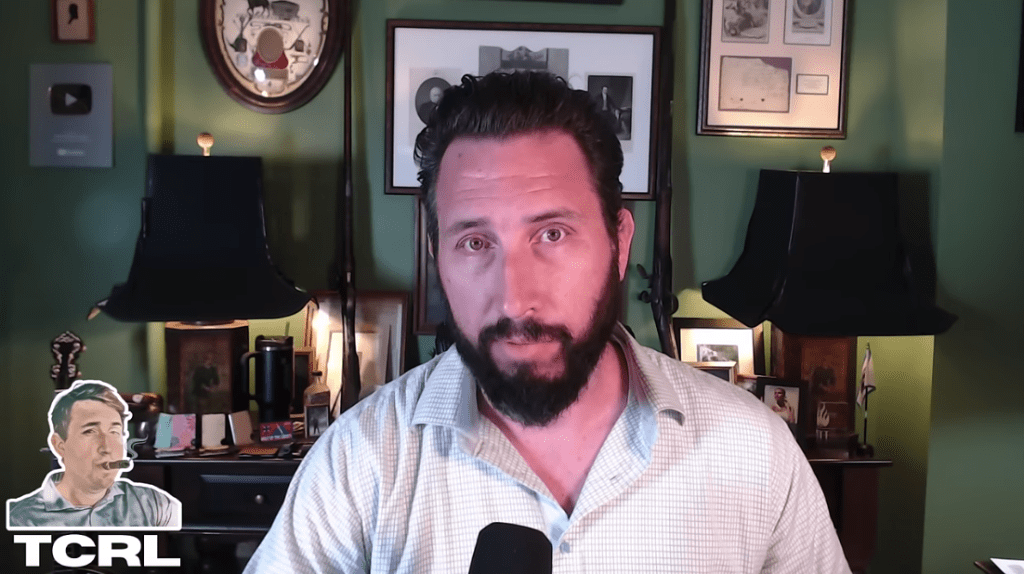
Civil rights lawyer John Bryan has detailed multiple breaches of Yearout’s Fourth Amendment rights. The Fourth Amendment protects individuals against unreasonable searches and seizures, especially in their homes and the surrounding area. Officers are limited to “knock and talk” procedures unless they have a warrant or exigent circumstances—neither of which were present in this case.
Bryan explained, “They didn’t do any research to see where the property boundaries were. They didn’t get a warrant. They just came to his house, went onto his property, ignored his property rights, ignored his constitutional rights, came into his house illegally in violation of the Fourth Amendment, and then shot him inside his home.”
The Fatal Encounter
Body cam footage shows Yearout speaking to officers from his window, repeatedly telling them to leave. The officers, undeterred, approached the house. An unidentified woman attempted to block the door but was removed by officers, who threatened her with arrest. Inside, Yearout was heard ordering the police to leave and warning them that he was making a call. Moments later, Officer Severt shouted, “Drop the bat!” before firing shots.
Princeton police officials claimed Yearout charged at Severt with an aluminum baseball bat, prompting the officer to discharge his weapon. However, the video obtained does not show Yearout charging at the officer before the shots were fired. Severt was not wearing a body camera at the time, violating department policy, and attorneys for Yearout’s family allege he destroyed his own camera footage.
Historical Context
This incident was not Yearout’s first contentious encounter with law enforcement. In 2014, he sued the West Virginia Regional Jails Authority following a raid at Southern Regional Jail, during which he was shot in the leg despite being unarmed and lying on the floor. He was one of dozens of inmates who sued, alleging police brutality during the raid.
Legal Actions and Broader Implications
The lawsuit, filed by the law firm Stroebel and Stroebel on behalf of Yearout’s estate by his mother, Rebecca Yearout, names the three officers, City of Princeton Police Chief T.A. Gray, the City of Princeton, and the police department as defendants. The complaint, filed in U.S. District Court for the Southern District of West Virginia in Beckley, alleges the officers were retaliating against Yearout for his social media posts criticizing local law enforcement.
Bryan emphasized the gravity of the situation, noting that the officers acted without any legal justification. He explained that under the Fourth Amendment, the officers had no right to enter Yearout’s property or home without a warrant or exigent circumstances. “The officer was not where he was supposed to be. He was an armed illegal invader inside this home,” Bryan stated.
A Community’s Call for Accountability
The case has sparked outrage and calls for justice, highlighting the urgent need for accountability and reform in police practices. The Yearout family’s pursuit of justice aims to hold those responsible accountable and to prevent similar incidents in the future.
As the lawsuit proceeds, it underscores the significance of constitutional protections and the dire consequences when they are ignored. For John Bryan, the fight for justice is both personal and professional. His detailed analysis and unwavering commitment to constitutional rights remind us of the importance of holding law enforcement accountable.
For more insights and updates on this case and others like it, visit the Civil Rights Lawyer’s blog at thecivilrightslawyer.com.

