
Iranian attacks that disabled roughly 17% of Qatar’s liquefied natural gas capacity are expected to send shockwaves through global energy markets and create both risks and opportunities for Texas, a leading U.S. energy producer.
According to reporting by Reuters, the strikes damaged two LNG production trains and a gas-to-liquids facility, removing about 12.8 million tons of annual LNG supply from the market for up to five years. The disruption represents an estimated $20 billion in lost annual revenue for Qatar and has forced the country to declare force majeure on long-term export contracts to Europe and Asia.
The loss of Qatari supply — a cornerstone of global LNG trade — is likely to tighten markets already strained by geopolitical conflict, driving higher natural gas prices worldwide and increasing volatility across energy-dependent industries.
Global supply squeeze
Qatar is one of the world’s largest LNG exporters, supplying key markets in Europe and Asia. With a significant portion of its capacity offline, buyers in countries such as Italy, Belgium, South Korea and China may be forced to seek alternative suppliers.
Energy analysts expect the shortfall to increase competition for U.S. LNG cargoes, particularly from Gulf Coast export terminals. The United States, led by Texas and Louisiana, has become the world’s top LNG exporter in recent years, positioning the region to partially fill the gap.
However, replacing Qatar’s lost capacity will not be immediate or complete. Infrastructure constraints, long-term contracts and shipping logistics limit how quickly global supply chains can adjust.
Beyond LNG, the தாக்க will extend to other commodities. Qatar’s exports of condensate, liquefied petroleum gas, helium and naphtha are all expected to decline, affecting industries ranging from petrochemicals to semiconductor manufacturing.
Texas ties and exposure
Texas-based ExxonMobil holds significant stakes in the damaged Qatari LNG facilities, linking the state directly to the financial fallout. While higher global gas prices could benefit U.S. producers, the company may face losses tied to its overseas investments and disrupted production.
At the same time, Texas LNG exporters — including facilities along the Gulf Coast — could see increased demand and higher margins as global buyers look for replacement supply.
Higher natural gas prices could also translate into increased energy costs for consumers and businesses in Texas, particularly in electricity markets where gas-fired generation plays a major role.
Broader economic implications
The disruption underscores the vulnerability of global energy infrastructure to geopolitical conflict. Prolonged outages in Qatar could reshape trade flows, accelerate investment in alternative energy sources and increase strategic reliance on U.S. exports.
For Texas, the impacts are likely to be mixed. The state stands to gain from stronger export demand and higher prices, but faces potential downsides through market instability, higher domestic energy costs and exposure of major companies to international disruptions.
With repairs in Qatar expected to take years and regional tensions ongoing, the full economic consequences — both globally and in Texas — are likely to unfold over an extended period.
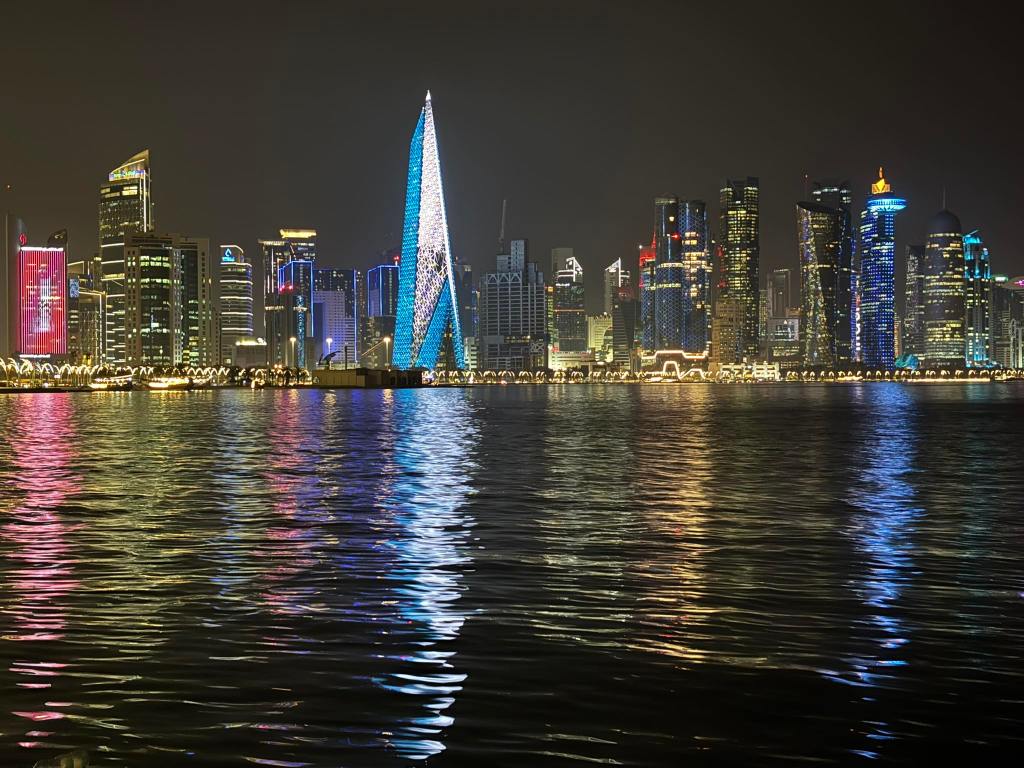
Image: Texas Reporter photo of Doha, Qatar skyline.
 Texas Reporter