
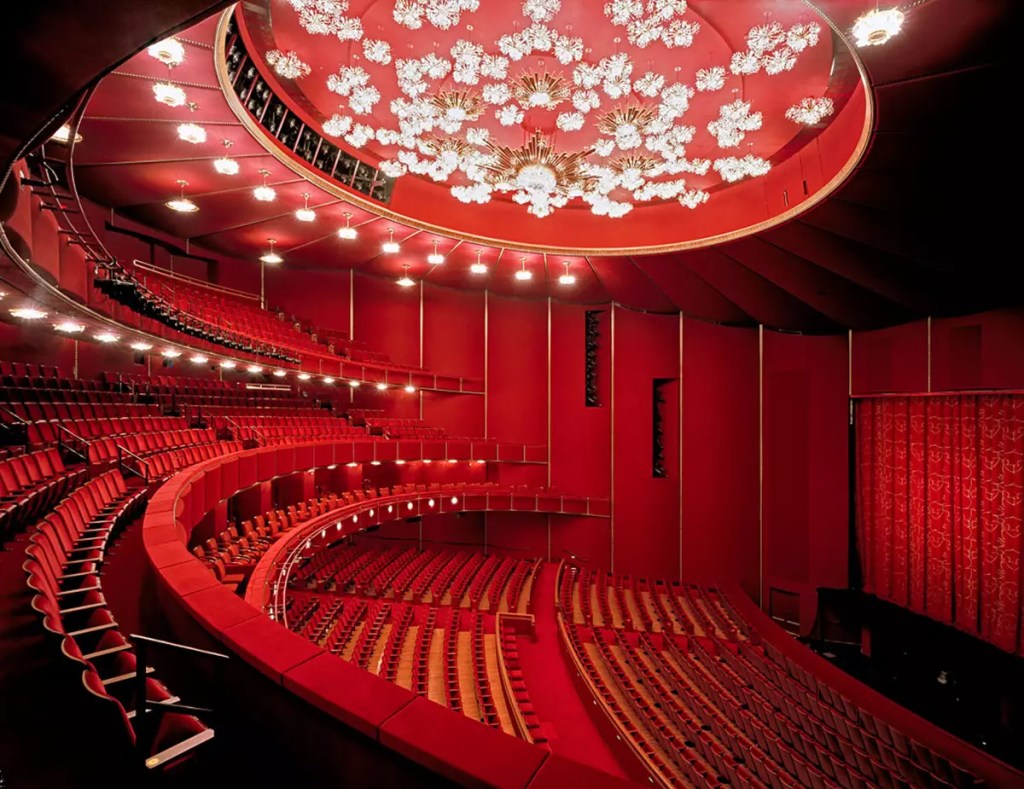
The renaming of the John F. Kennedy Center for the Performing Arts has escalated from cultural controversy to constitutional dispute, as a sitting member of Congress has filed suit to block President Donald Trump from placing his name on the historic arts institution.
Rep. Joyce Beatty, a Democrat from Ohio and an ex-officio member of the Kennedy Center board, sued President Trump on Monday, seeking a court order to remove his name from the building. The lawsuit argues that the board’s vote to rename the center was unlawful because only Congress has the authority to alter the name of a federally designated memorial.
“This is a flagrant violation of the rule of law, and it flies in the face of our constitutional order,” the lawsuit states. “Congress intended the Center to be a living memorial to President Kennedy — and a crown jewel of the arts for all Americans, irrespective of party.”
Name Added Before Congressional Approval
Although an act of Congress is required to formally rename the Kennedy Center, Trump’s name was added to the building’s exterior signage within 24 hours of the White House announcing the board’s vote. Photographs taken December 19 show “The Donald J. Trump” added to the façade of what is officially known as the John F. Kennedy Memorial Center for the Performing Arts.
The White House said the Kennedy Center board — now chaired by Trump and composed largely of his appointees — voted unanimously to approve the change.
Beatty disputes that account.
Beatty Says She Was Muted and Blocked From Voting
In public remarks and in her lawsuit, Beatty said she attempted to oppose the renaming during the board meeting but was prevented from doing so.
“I said, ‘I have something to say,’ and I was muted,” Beatty told reporters. “As I continued to try to unmute, to ask questions and voice my opposition, I received a note saying that I would not be unmuted. I was not allowed to vote.”
Beatty said she would not have supported the name change had she been permitted to participate.
Her attorneys, Norman Eisen — former White House ethics counsel under President Barack Obama — and Nathaniel Zelinsky of the Washington Litigation Group, said the administration’s actions amount to an unlawful seizure of authority.
“The President and his sycophants have no lawful authority to rename the Kennedy Center,” they said in a joint statement.
White House Defends Move, Claims Trump “Saved” the Center
Asked to comment on the lawsuit, the White House did not address the legal argument. Instead, spokesperson Liz Huston told ABC News that the board voted to rename the building after Trump “stepped up and saved the old Kennedy Center.”
Trump himself echoed that claim last week, asserting the center was failing before his intervention.
“We’re saving the building,” Trump said. “The building was in such bad shape — physically, financially, in every other way. And now it’s very solid and very strong.”
However, Kennedy Center financial records show the institution is primarily funded through ticket sales and private philanthropy, with federal appropriations limited to capital repairs and maintenance. There has been no independent verification that the center was in financial jeopardy.
A Break With Longstanding Norms
Historians say the dispute underscores a broader and unprecedented reshaping of Washington by a sitting president.
Mark Updegrove, president of the LBJ Foundation and a presidential historian, has described the move as without precedent — particularly given Trump’s dual role as board chairman and beneficiary of the renaming.
“We don’t generally see institutions named for presidents until they have left office and their legacy has been established,” Updegrove said in a PBS NewsHour interview. “In this case, President Trump is barely a quarter into his second term.”
Unlike John F. Kennedy International Airport or Ronald Reagan Washington National Airport — both renamed after the presidents had left office — Trump’s name has been added to a major cultural institution while he remains in power.
Why the Kennedy Center Matters
The Kennedy Center, which opened in 1971, was conceived under President Lyndon B. Johnson as a living memorial to President Kennedy following his assassination. For more than five decades, it has served as the nation’s premier performing arts venue, hosting artists from across the political and cultural spectrum.
In a typical year, the center draws:
- 2 million visitors
- 1.6 million ticket buyers
- 1.4 million students served through education programs
- 2,200+ performances and exhibits
- 400+ free public events
Its education and outreach programs span all 50 states and 29 countries, supported by a volunteer corps of more than 600 people representing 58 countries and speaking 27 languages.
Critics argue that branding the center with the name of a sitting president undermines its role as a unifying, nonpartisan cultural institution.
Legal and Political Stakes
At issue now is whether the courts will intervene before Congress acts — and whether executive power can be used to bypass statutory limits on federal memorials.
Unless blocked, Beatty’s lawsuit warns, the administration will continue to “defy Congress and thwart the law for improper ends.”
As the Trump-Kennedy Center Honors air and Trump’s name remains etched into the building’s stone, the case has become more than a naming dispute. It is a test of how far a president can go in reshaping national institutions — and whether historical memorials belong to the officeholder or the public.
 Texas Reporter