
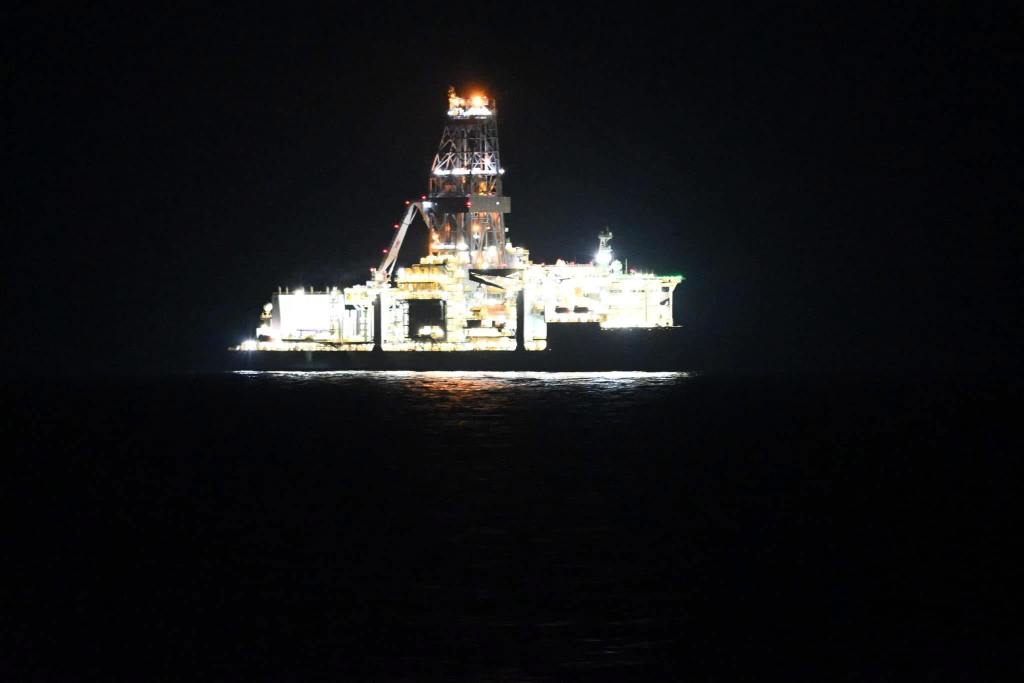
Florida’s congressional delegation has delivered a rare, unanimous message to President Donald J. Trump: keep oil and gas drilling away from Florida’s coasts.
In a letter sent this week, all 30 members of Florida’s House delegation—Republicans and Democrats—joined both U.S. Senators in urging the President to maintain the existing moratorium on offshore leasing in the Gulf of Mexico. The bipartisan show of unity reflects long-standing concerns about the impact expanded drilling could have on the state’s tourism-driven economy, military readiness and coastal environment.
Warning Against a New “South-Central Gulf” Planning Zone
The lawmakers raised alarms over the Department of the Interior’s newly proposed five-year offshore leasing plan, which introduces a planning area labeled the “South-Central Gulf of America.” If advanced, the zone would overlap waters covered by Trump’s own 2020 executive order extending the drilling moratorium to 2032.
The delegation said advancing lease sales in that area would directly contradict the President’s prior directive and place drilling operations uncomfortably close to the Florida Panhandle.
Military Test Range at Center of Concerns
A major point of focus is the Gulf Test Range, a sweeping military training corridor used for advanced air and weapons testing by U.S. forces. The delegation emphasized that any encroachment from offshore infrastructure—including staging vessels, pipelines, and support activity—could disrupt or limit training vital to national defense.
The range supports tens of thousands of military and civilian jobs in the region, and Florida officials say its preservation is non-negotiable. They described the training airspace as “the largest multi-domain range in the world,” warning that drilling activity could complicate operations that cannot be duplicated elsewhere.
Economic Stakes for a Tourism-Driven State
Lawmakers also highlighted the economic value of Florida’s coastlines. Tourism connected to the state’s beaches and waterways generates more than $120 billion annually and supports millions of jobs. They cited the long shadow of the 2010 Deepwater Horizon spill, which caused billions of dollars in damage and disrupted coastal economies for years.
The delegation’s letter argues that the risks of offshore drilling—including spills, industrial activity, and visual impacts—could undermine a statewide economy built around clean coastlines, fishing, boating and beach tourism.
Rare Bipartisan Agreement
Florida’s congressional delegation is often divided on national issues, but offshore drilling has been one of the state’s few political constants. For years, lawmakers from both parties have resisted federal attempts to expand drilling in waters near the state, pointing to Florida’s unique combination of environmental sensitivity, military operations and economic dependence on tourism.
The new letter reflects the same posture, but with added urgency as federal agencies prepare to finalize the next long-term leasing plan.
What Happens Next
The Interior Department has not announced whether it will revise the proposed leasing map in response to Florida’s objections. The President has previously signaled strong support for protecting Florida’s coasts, but the new planning zone has raised questions about how his administration intends to balance energy production with state-specific concerns.
Florida lawmakers urged the White House to stick with the moratorium already in place and to reaffirm that Florida’s Gulf waters remain off-limits.
 Texas Reporter