

Chinese electric vehicle manufacturers are outpacing Tesla on the global stage, with BYD, NIO, XPeng, and others capturing market share at home and abroad through aggressive expansion, broad product offerings, and competitive pricing. Once dominant, Tesla—headquartered in Austin, Texas—is losing ground not only in China and Europe but in emerging EV markets across the globe.
In 2024, BYD delivered over 4.27 million new energy vehicles worldwide, surpassing Tesla’s 1.79 million deliveries. The Chinese company’s total includes both battery electric vehicles (BEVs) and plug-in hybrids, a category Tesla doesn’t compete in. In the first quarter of 2025, BYD sold more than a million vehicles globally, up 60% from the same period last year, highlighting its accelerating growth.
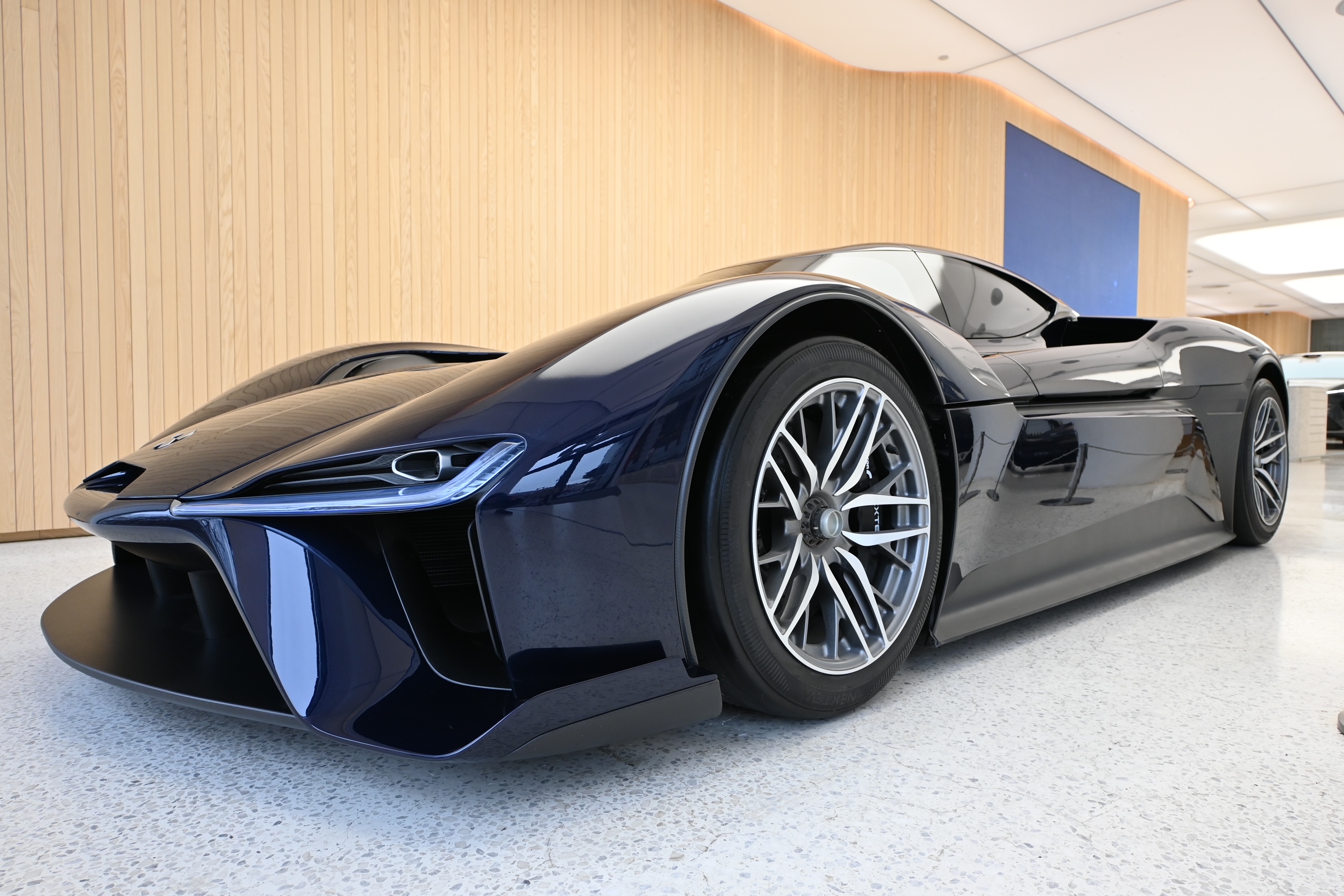
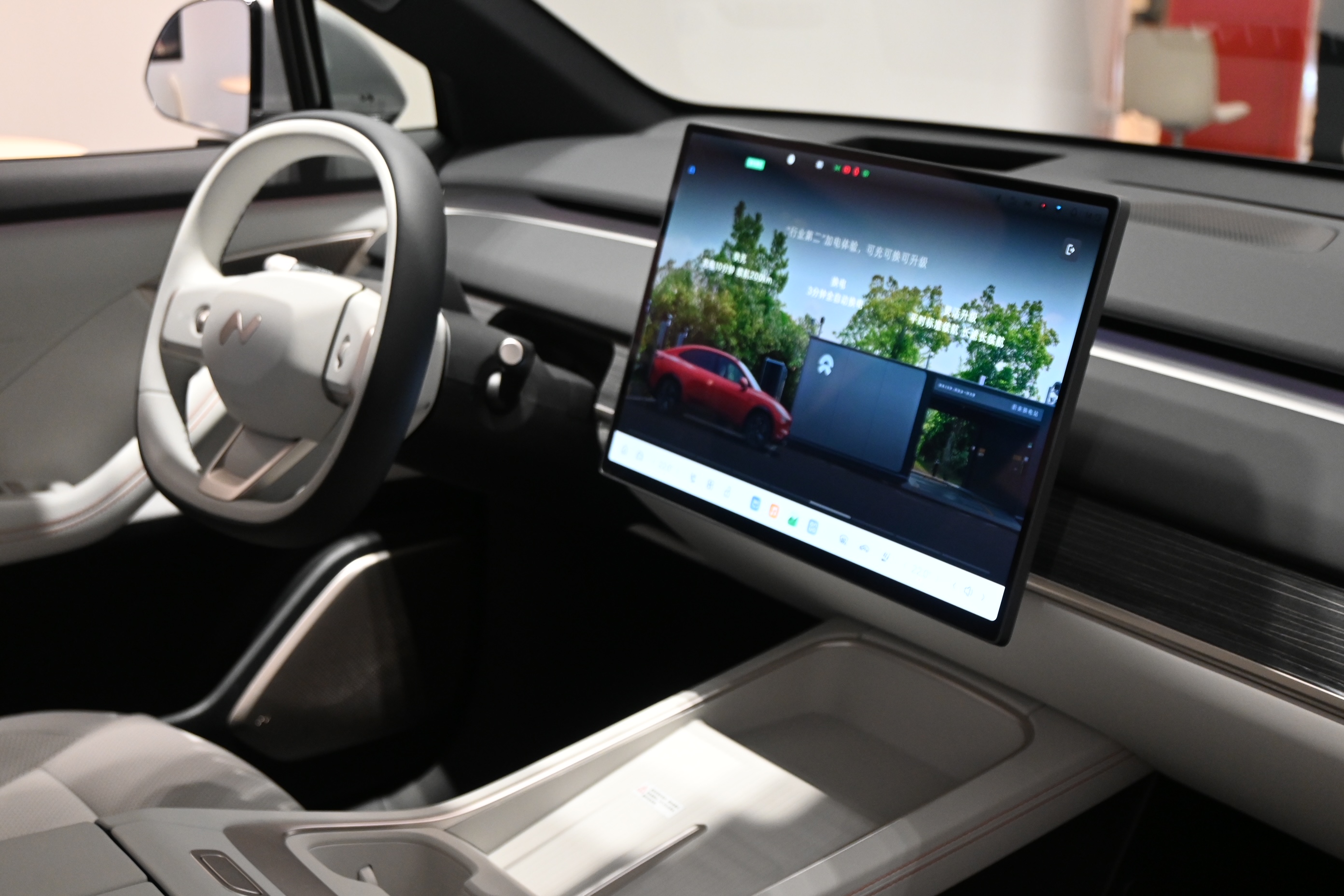

NIO, another Chinese automaker, delivered nearly 222,000 vehicles in 2024, a 39% increase from the previous year. The company is now preparing to launch a lower-cost brand, Firefly, targeting European consumers in 20 countries. XPeng, for its part, grew deliveries by 331% year-over-year in the first quarter of 2025, expanding aggressively into 30 new international markets. Geely’s Zeekr and SAIC’s MG brand are also expanding outside China, particularly into Europe, where MG has become a top-selling EV brand in countries like the UK and Sweden.
Tesla is struggling to keep pace. In Germany, Tesla sales dropped by 62% in 2024, part of a broader 39% decline across Europe. In China, March 2025 sales fell 11.5% year-over-year despite price cuts. Meanwhile, Tesla’s financials show strain: Q1 2025 net income fell 39% year-over-year to $934 million, and total revenue dipped more than 9%.
One of the starkest signs of Tesla’s declining dominance can be seen in Norway, a longtime bellwether for EV adoption. While Tesla once reigned supreme there, Chinese brands like BYD and MG are steadily climbing the ranks, offering lower-priced alternatives with competitive range and features. In Norway’s saturated EV market, brand loyalty has given way to value, and Chinese automakers are capitalizing.
China’s state-backed investment in EV infrastructure and battery technology is giving its companies a significant edge. Domestic subsidies and access to critical minerals have enabled rapid scaling. Now, as Chinese EV makers refine their designs and tailor vehicles for foreign tastes, they’re beating Tesla not only on price but, increasingly, on performance and design.
Tesla remains a strong brand in the U.S., but its global leadership is slipping. As Chinese automakers continue to expand and localize in key markets across Europe, Latin America, Southeast Asia, and the Middle East, Tesla faces a new reality: the EV future is no longer led by one company, and certainly not by one country.
 Texas Reporter