

A study conducted by the Bureau of Economic Geology (BEG) at the University of Texas at Austin has identified Presidio County as a promising location for geothermal energy development. The findings, presented to the Presidio Municipal Development District (PMDD), highlight the potential for geothermal resources to transform the region’s energy landscape and support broader economic growth in West Texas.
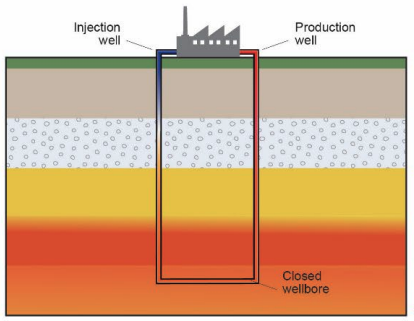
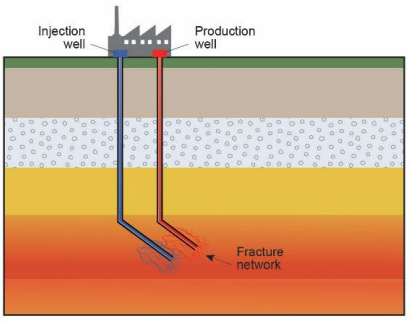
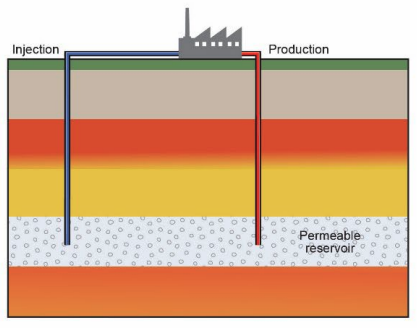
Presidio County’s geothermal potential was evaluated through a $15,000 feasibility study funded by the PMDD in 2023. Researchers focused on thermal gradients across the sparsely populated county, with promising results along the Rio Grande west of Presidio, where high temperatures can be reached at drilling depths of 2.5 kilometers. Northern parts of the county also show potential, although viable temperatures there would require deeper drilling of up to 5 kilometers.
“Bottom line is, the immediate area in Presidio, but the whole county, looks like a really good development target. As good or better than areas that are already being developed in Texas,” said Ken Wisian, a geophysicist at UT Austin and leader of the research team.
The study underscores the challenges and opportunities tied to geothermal energy. Initial drilling costs, estimated in the millions, remain a significant hurdle. However, geothermal systems offer long-term benefits, including low operating costs, zero-carbon energy production, and the ability to provide reliable baseload power.
Local officials in Presidio County are optimistic about the findings. Trey Gerfers, director of the Presidio County Groundwater Conservation District, encouraged collaboration on funding proposals to advance the project. Economic development consultant John T. Kennedy called geothermal energy a key initiative for the region’s future.
The study divided Presidio County into three zones based on geological and thermal characteristics:
- The Border Region, along the Rio Grande, features high thermal gradients and relatively shallow drilling depths, making it the most cost-effective area for development.
- The Interior Region, encompassing much of the county, offers above-average geothermal potential but requires deeper drilling.
- The Big Bend Region, in the southeast, remains largely unexplored due to a lack of data.
Developing these resources could provide economic benefits for the county, which has long faced challenges including limited job opportunities, population decline, and low median household income. Geothermal energy could attract new industries, enhance power reliability, and align with state and federal renewable energy goals.
While much work remains, Presidio County’s geothermal potential adds to Texas’s growing reputation as a leader in renewable energy innovation. With its abundant natural resources, Presidio County could become a model for rural energy development, contributing to the state’s energy transition and economic diversification.
 Texas Reporter