
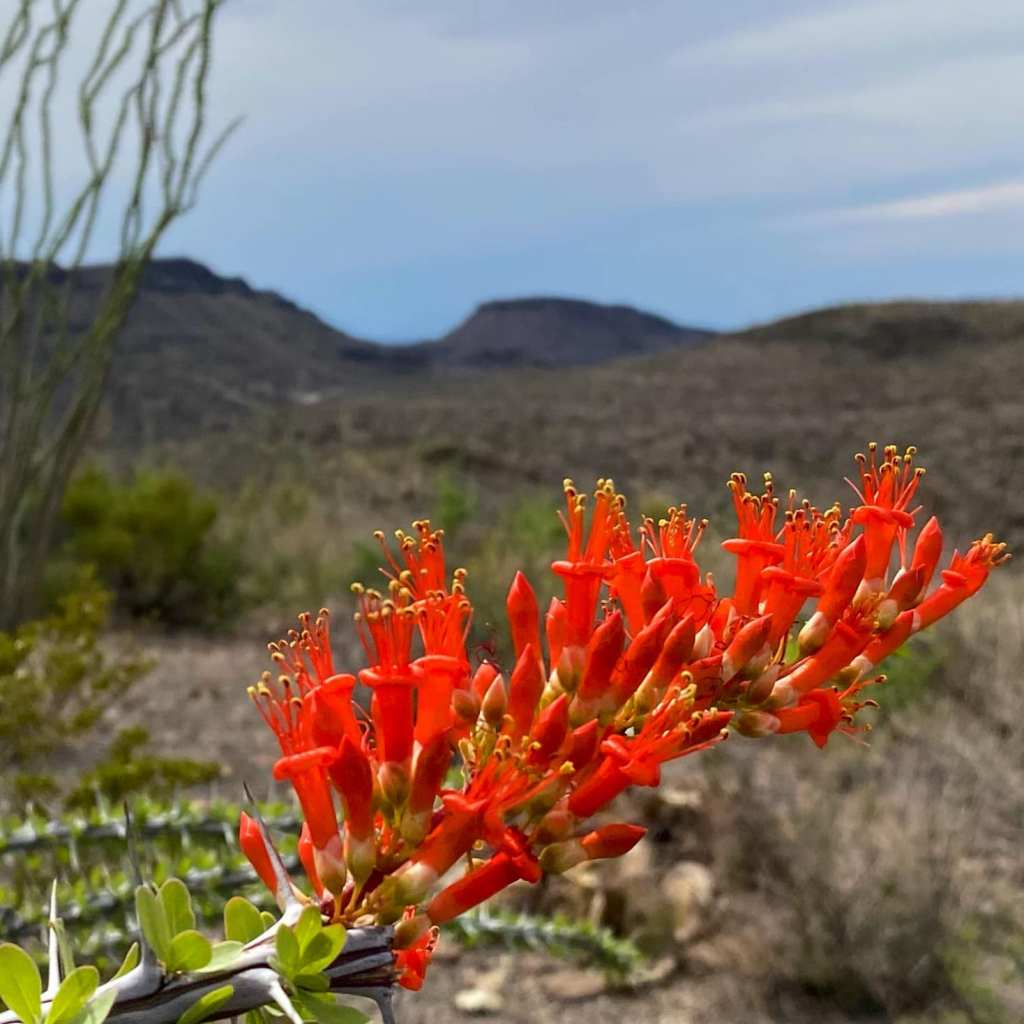
The desert landscapes of Big Bend Ranch and Big Bend National Park have been home to the captivating blooms of ocotillos, captured at various times following seasonal rains. Known scientifically as Fouquieria splendens, these plants are among the most distinctive in the southwestern United States, celebrated for their vibrant red flower clusters that bring color to the arid terrain.
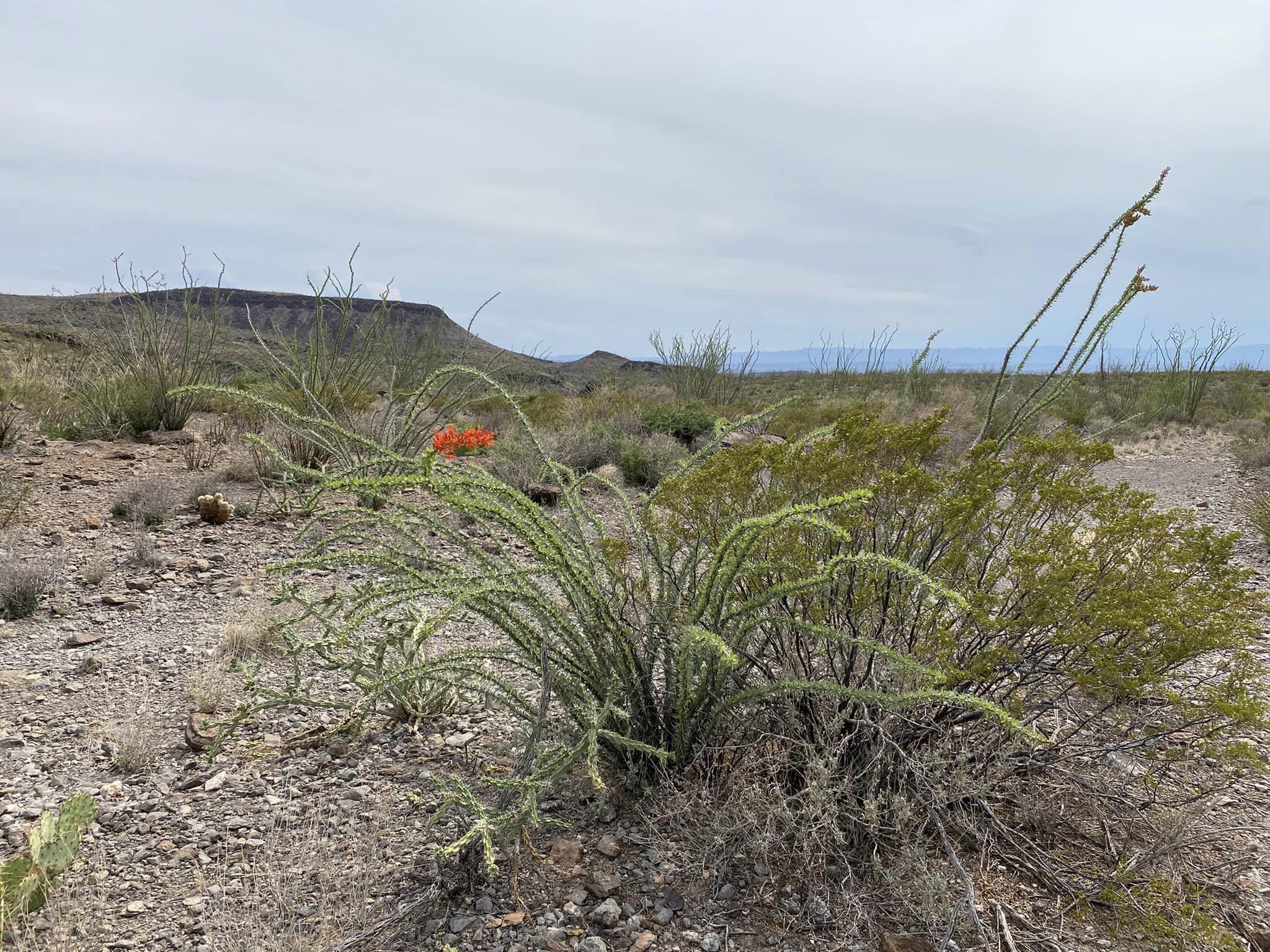
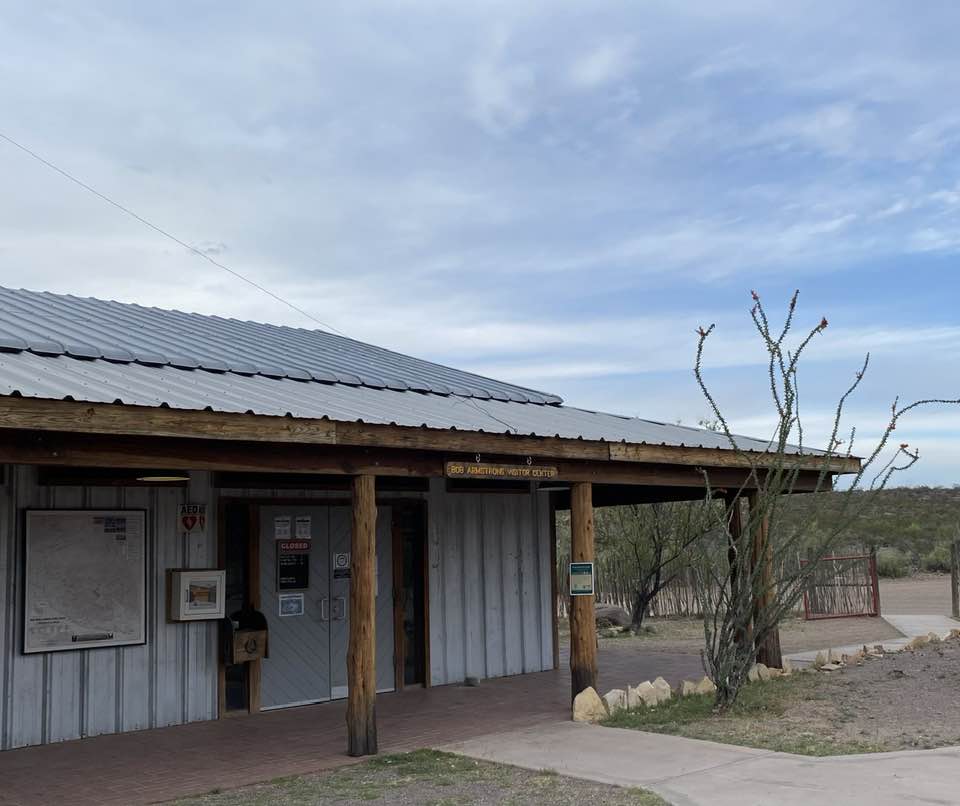
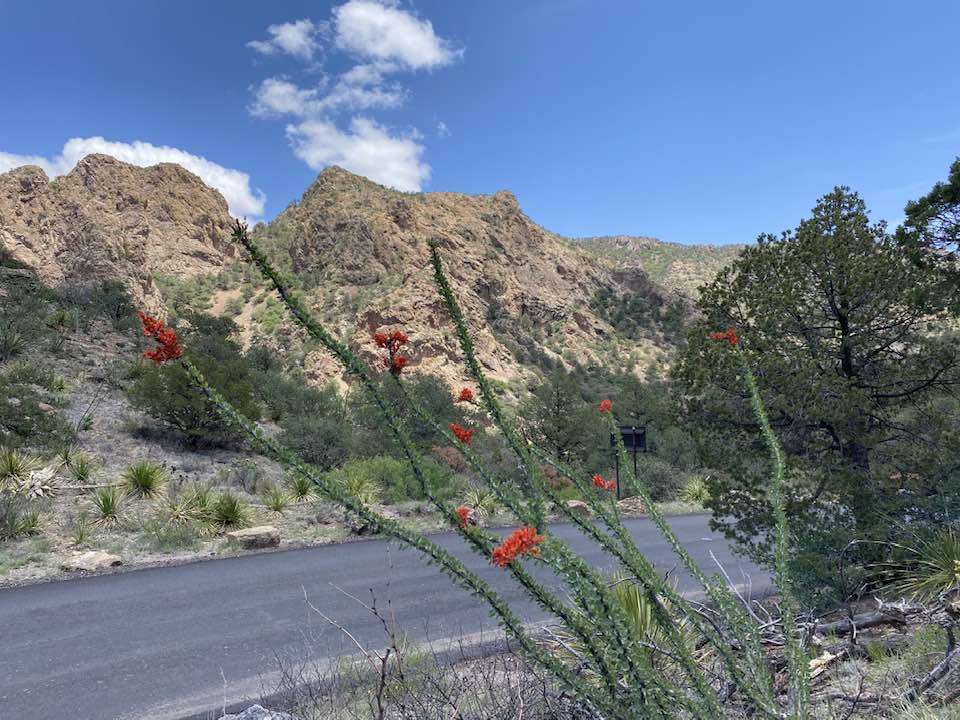
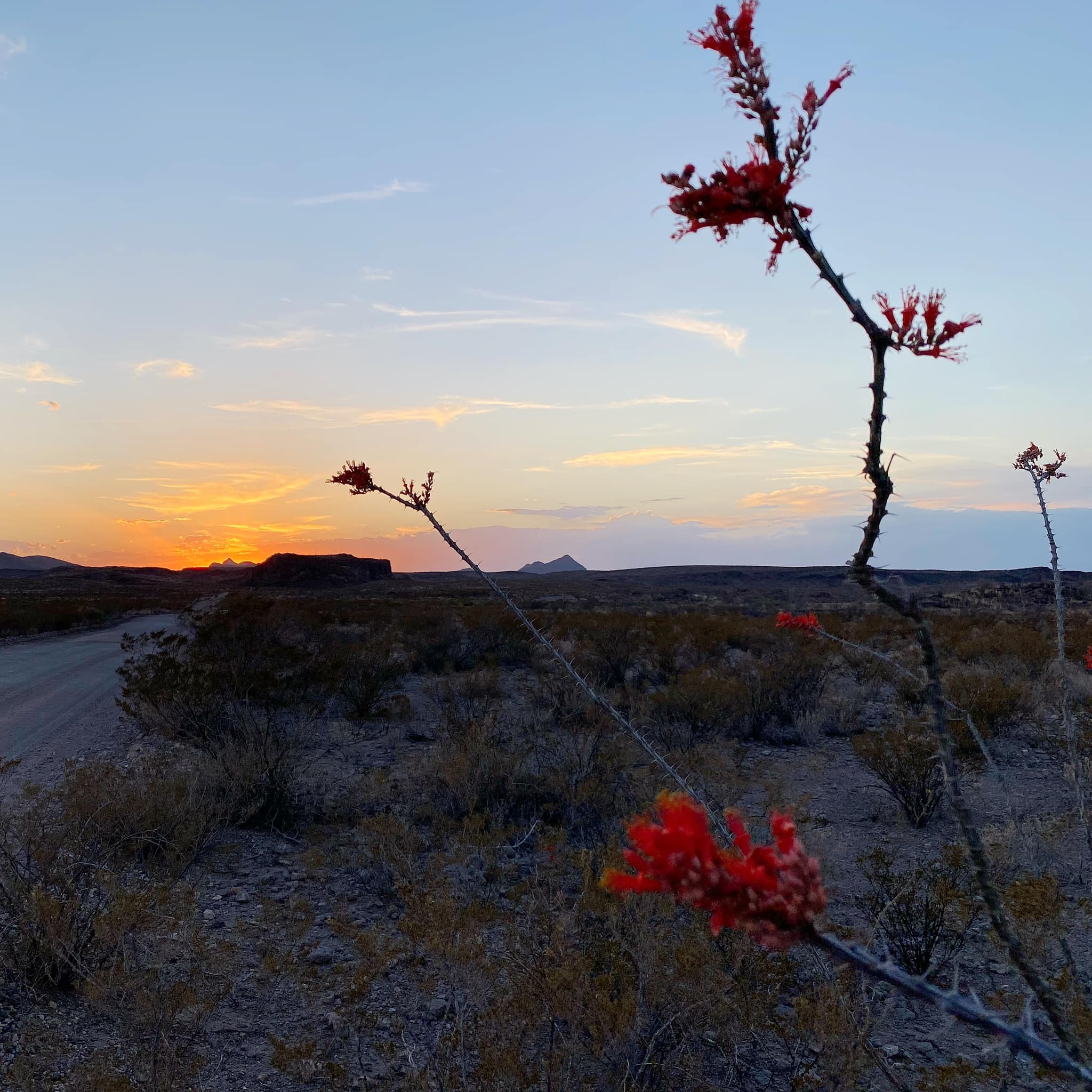

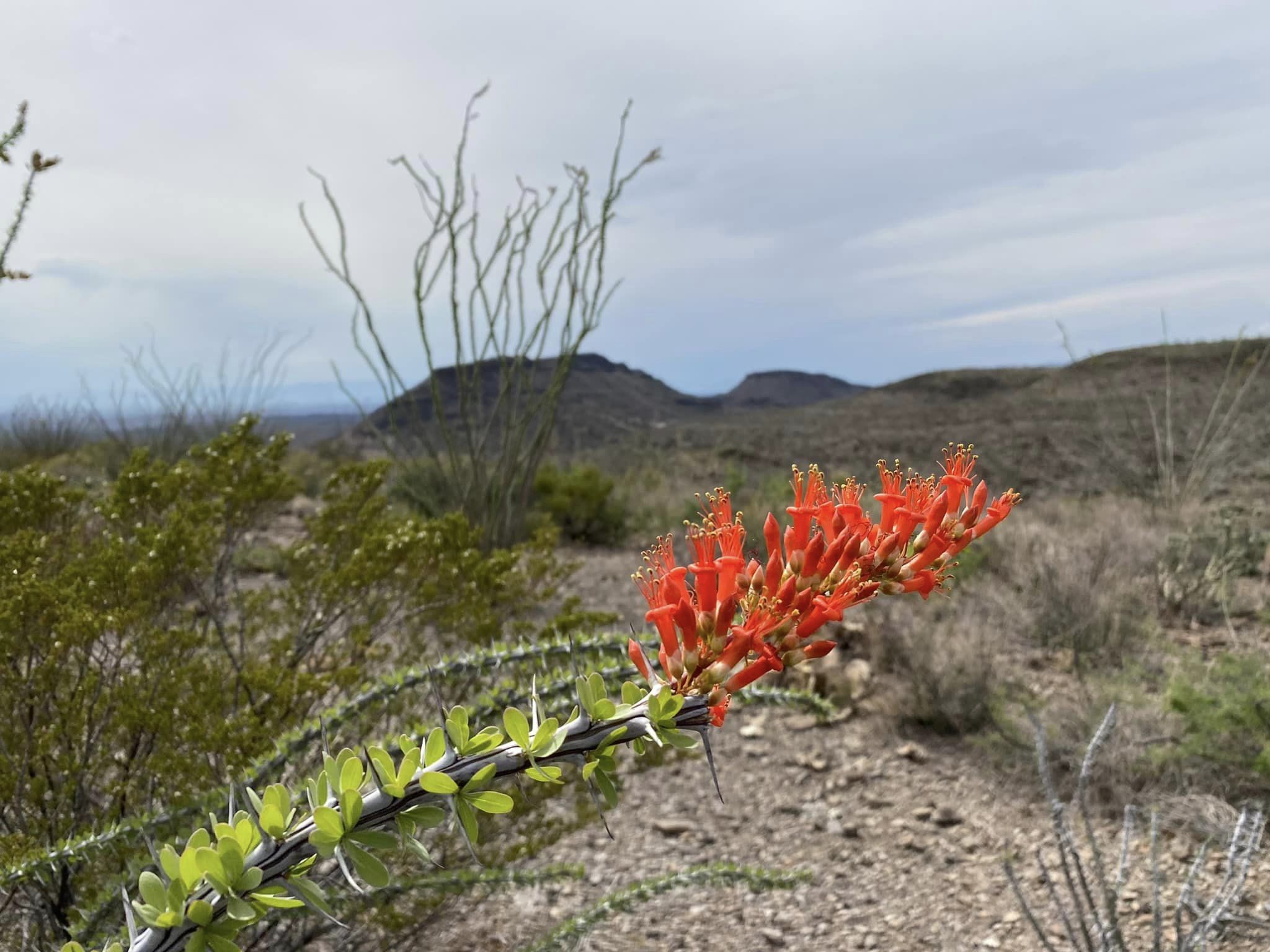
Ocotillos, which appear as spiny, crooked stems for much of the year, are far from dormant. These adaptable plants thrive in the Sonoran and Chihuahuan deserts, from southeastern California to western Texas and south into Mexico. They flourish in diverse soils and at elevations ranging from sea level to 6,700 feet.
The name ocotillo, meaning “little torch” in Spanish, aptly describes the bright red flowers that bloom at the tips of the stems. These blooms typically occur once in the spring, between March and June, depending on latitude. However, ocotillos can bloom sporadically in response to summer rains. In Big Bend Ranch and Big Bend National Park, the sight of these flowers against the desert backdrop is nothing short of spectacular, especially after a soaking rain.
Ocotillos are uniquely adapted to their harsh environment. For much of the year, the stems are leafless, but after rain, they become covered with clusters of narrow, oval leaves. These leaves persist until the soil dries out, with the plant capable of growing and shedding leaves multiple times a year, depending on rainfall. During leafless periods, ocotillos rely on the chlorophyll in their stems for photosynthesis, maximizing favorable conditions and surviving harsh ones, a typical strategy for desert plants.
Hummingbirds, which migrate northward in the spring, pollinate the ocotillo flowers, ensuring a reliable food source even when other spring plants fail to bloom.
While ocotillos have limited commercial uses, their stems are sometimes cut and planted close together to form living fences. They also serve as attractive ornamentals for desert landscaping and cactus gardens, though they are only cold-tolerant to about 10°F, limiting their use in areas with severe winters.
For those interested in seeing these vibrant blooms, a visit to Big Bend Ranch and Big Bend National Park is highly recommended after a rain. To learn more about ocotillos, visit the USDA PLANTS Database or the USDA Forest Service Wildflowers page.
 Texas Reporter