
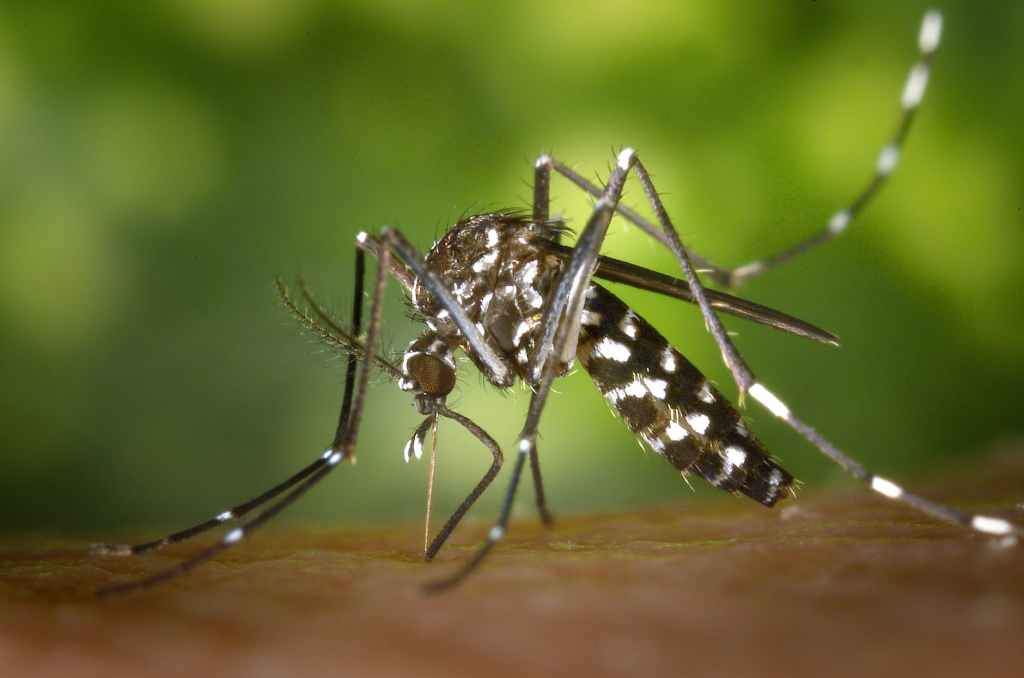
Bell County Public Health District (BCPH) confirmed today the first human case of West Nile Virus (WNV) in Bell County for the year 2023. The affected individual is a male resident diagnosed with West Nile neuroinvasive disease. Respecting confidentiality, BCPH has refrained from releasing further details about the patient.
Transmitted via the bite of an infected mosquito, WNV poses risks to humans, birds, horses, and other animals, including dogs, bats, and poultry. It’s noteworthy that poultry can clear the WNV infection quickly, reducing the risk of transmission. Direct transmission from human to human is not possible through mosquito bites. While the general population faces a low risk of severe infection, symptoms can range from fever, headaches, body aches, and skin rash, to severe neurological complications like encephalitis and meningitis. The elderly and those with compromised immunity are at heightened risk. No specific treatment or vaccine exists for WNV in humans.
This year has seen the introduction of a mosquito surveillance program by BCPH. The program has identified 16 positive mosquito sample testing pools across four communities in Bell County: Belton, Harker Heights, Killeen, and Temple. These results indicate the presence of WNV-carrying mosquitoes in the county.
Michael Blomquist, Bell County Public Health District Board of Health Chairman, emphasizes the importance of preventive measures. “Given the confirmed presence of West Nile Virus in our county, I urge our citizens to adopt protective actions. Adhering to the ‘3Ds’ – Defend, Dress, and Drain – is paramount to safeguarding yourself and your family.”
The recommended protective measures include:
- DEFEND: Use DEET-containing insect repellents or other EPA-approved repellents and follow the guidelines.
- DRESS: Opt for long, loose, and light-colored clothing when outdoors, especially during dawn and dusk.
- DRAIN: Ensure all standing water sources around your residence or workplace are drained or treated, eliminating potential mosquito breeding grounds.
For a deeper understanding of West Nile Virus, the public is encouraged to visit the Department of State Health Services West Nile website at txwestnile.org or the Centers for Disease Control and Prevention (CDC) portal at cdc.gov/westnile.
 Texas Reporter